The Benefits of Combining NLP and Equine Assisted Learning
NLP is how we use the language of the mind to consistently achieve our specific and desired outcomes.
NLP models how we communicate to ourselves and others and it explains how we process information that comes to us from the outside. There are five primary ways we experience the world, we can see, feel, hear, smell and taste. At any moment, we are receiving and processing input from all of our senses, even if we are not consciously aware of it. What we actually perceive are representations or models of what each of our sensory organs transmits to us; when we build these models we attach the systems of language and other social constraints to our experiences. The representation of an event includes an internal emotional state, such as feeling happy or motivated, which leads us to behave in a particular way. This is why estate agents advise house sellers to put on a fresh pot of coffee when they are showing people around as the aroma creates a positive state in the potential purchasers.
Due to the overwhelming amount of information that we have to process we have to filter it, resulting in deletions, distortions and generalisations; this is why when two people have the same experience they may react in different ways.
We represent our internal processing using one of four representational systems: Visual, Auditory, Kinesthetic (feelings) or Auditory Digital (talking to yourself). Our primary representational system can be discovered by listening to predicates and looking at physiology; some examples you might hear in conversation are: “I can see what you mean”, “that sounds right”, “that feels OK” and “I understand how that works”. By noticing and then using a person’s primary representational system to communicate with them you will establish far greater rapport (understanding).
Many people think they are not responsible for how they feel. They think that circumstances or other people make them feel a certain way. Personal power is the ability to choose a response based on our evaluations and the behaviour of those around us. This is known as being “at cause” and gives us the ability to take action and achieve specific results. What we recognise outside ourselves is what we are inside, otherwise how would we know what it was? So what is outside you is really you! The moment a projection or judgement about someone or something else comes into your consciousness, it is your perception!
The Physiology of Excellence in NLP is modelling excellence in others and utilizing this in yourself and others. Through the process of modelling, you can find and model excellent behaviour and install it in someone else. There are many different NLP techniques that can be used individually or in combination to create fresh and effective methods to develop the mind-set that gives you the positive outcomes you desire.
As both Claire and myself are now certified practitioners of NLP, we plan to integrate many NLP concepts into our existing EAL business course modules, including:
• Sensory Acuity
• Rapport
• Representational Systems
• Eye Patterns
• Submodalities
• The Conscious Use of Language
• Hierarchy of Ideas
• Strategies
• Reframing
• 5-Step Sales Process
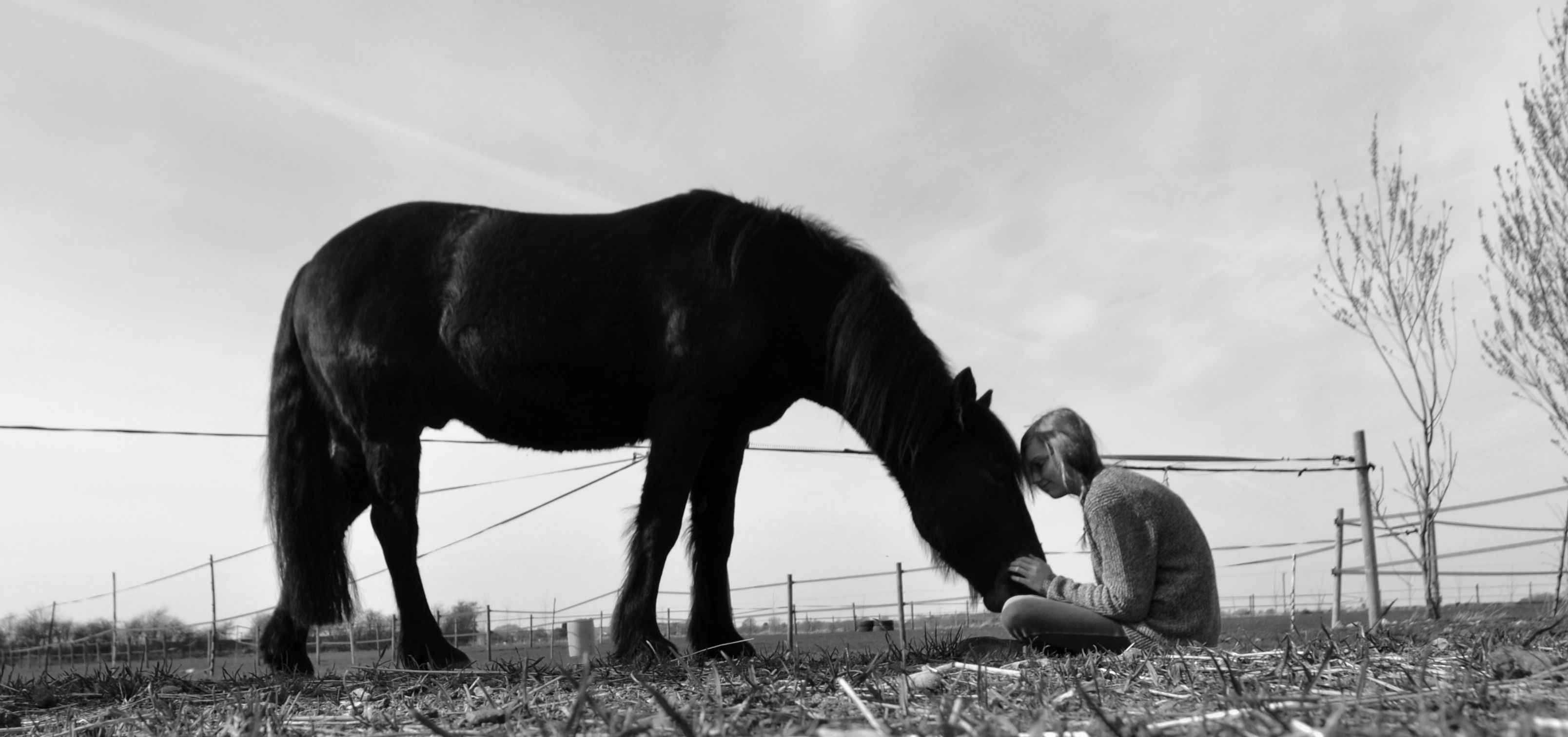
Horses, being prey animals, are finely attuned to the emotions and body language of others and respond to human feelings and actions; revealing things about our behaviour and ourselves. EAL + NLP is an extremely powerful way of allowing people to discover their own individual solutions to any specific problems they wish to address.
Inspired Equine Assisted Learning CIC offers a range of bespoke Corporate Training Programs to businesses that wish to explore, develop and improve leadership, communication, personal growth, corporate culture and teamwork within their organisations